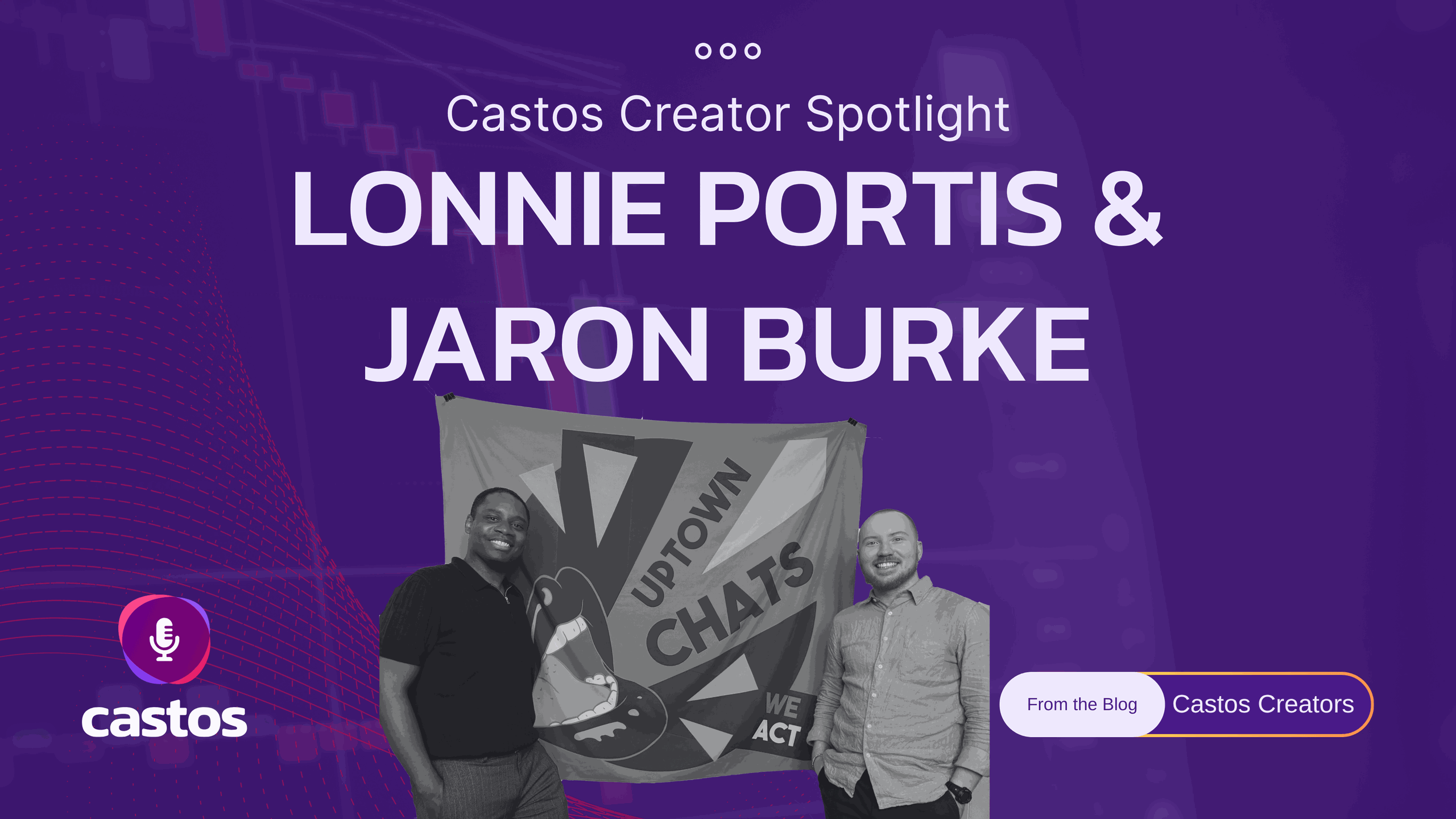
Steal the yearly topic outline, miniseries guardrails, and audience-first goals that kept a first-time podcast running for 70+ episodes.
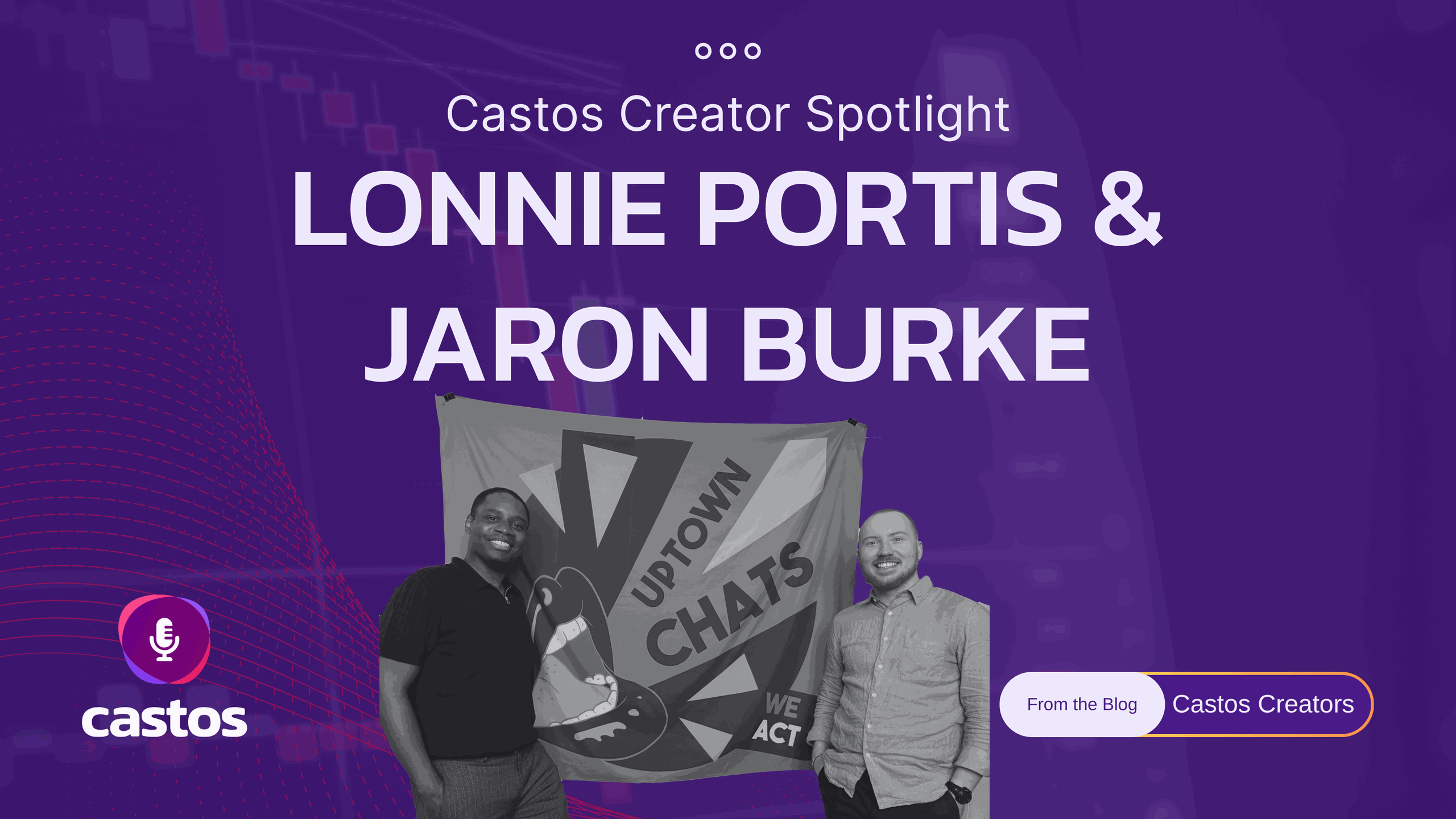
Uptown Chats is a community-focused environmental justice podcast from New York City. Its hosts, Jaron Burke and Lonnie Portis, started with zero mic experience and a casual green light from their boss. Almost three years and 70-plus episodes later, they're still publishing. What kept them going wasn't gear or talent. It was a few planning habits you can copy whatever your topic is.
Outline the Year in Topics, Not Scripts
The biggest change Jaron and Lonnie made last year was simple: they sketched a rough topic for every month of the coming year. Nothing locked, nothing scripted. Just a list of themes like waste and sanitation, toxic beauty products, energy policy, and housing.
That one document fixed three problems at once. They could contact guests earlier, which matters when your guests are busy people doing real work. They had more time to write sharper questions. And they stopped scrambling for an episode idea when life got hectic. If you've ever stared at a blank calendar the week before recording, you know why that matters.
Their format helps too. They describe each episode as part of a tasting menu: a monthly sampler of everything under one umbrella, with guests who actually do the work on the ground. Every episode ends on the same question: what can the listener go do about this right now? A repeatable structure makes a yearly outline much easier to fill in, because you're only choosing the topic and guest, not reinventing the show each time.
- List 12 rough topics, one per month, under your show's main theme
- Name one or two dream guests per topic
- Send guest invites at least a month or two before the recording slot
- Draft questions as soon as a guest says yes, not the night before
- Review the outline quarterly and swap topics as news or listener requests change
Scope Miniseries Before They Scope You
Series are a great planning tool. They give you several episodes of material from one burst of research. They also run away from you. Uptown Chats planned a short run on how federal energy policy affects environmental justice communities, tied to a campaign by their partner organization. It kept growing.
The Wrong Direction miniseries turned into a very not-so-miniseries.
- Jaron Burke, Uptown Chats
They handled it well. Once the problem-focused run wrapped, they committed to a companion series on solutions. That's a smart move because it gives a long run a natural endpoint and gives listeners somewhere hopeful to land.
They've also tested other formats. A two-part book club episode went over well enough that they're considering making it recurring. A two-part episode on climate in film and TV gave them room to go deeper than a single conversation would. Treat these as experiments: run one, watch the response, then decide whether it earns a permanent slot.
- Set a planned episode count for any series before you record the first one
- Decide what would justify extending it, such as strong listener response or a major news development
- Plan the closing episode early so the series ends on purpose
- Consider a follow-up series if the first one leaves listeners with a problem and no path forward
- Test a new recurring format with a one-off or two-parter first
Set Goals and Boundaries You Can Actually Use
Jaron and Lonnie don't chase download charts. Their goals are local and concrete: grow the audience in NYC, host at least one more live show, and hit 500 listens on a single episode for the first time. Each of those can be planned around. A live show needs a venue and a date. A 500-listen target tells you to push one episode harder.
They also keep the show tied to its host organization without letting it become a press release. Listeners keep asking about data centers, but they're holding that topic until the organization settles its own position. You may not have a sponsor or parent group, but the lesson applies: decide which topics you're not ready to cover, and why, rather than rushing to match demand.
Their newer experiments are small. Video is coming gradually, mostly as short social clips. A call-in hotline launched in February and is promoted at the end of nearly every episode, and nobody has called yet. That's fine. Cheap experiments don't need to work right away. They just need to be easy enough to keep running.
- Pick one audience-based goal, such as listens in a city or on a single episode
- Add one event or format experiment to this year's plan, like a live show or short video clips
- Write down topics you're intentionally holding back and what would change that
- Keep a low-effort call to action at the end of every episode and give it time to work


Leave a
comment